
The Regional Federations of Hunters of Hauts-de-France have concluded a significant planting season, reinforcing the role of hunters as key drivers of grassroots conservation projects and nature restoration. By establishing 72,829 trees and shrubs across the region, this initiative directly supports the objectives of the EU Biodiversity Strategy for 2030 and contributes to the creation of robust green infrastructure in northern France.
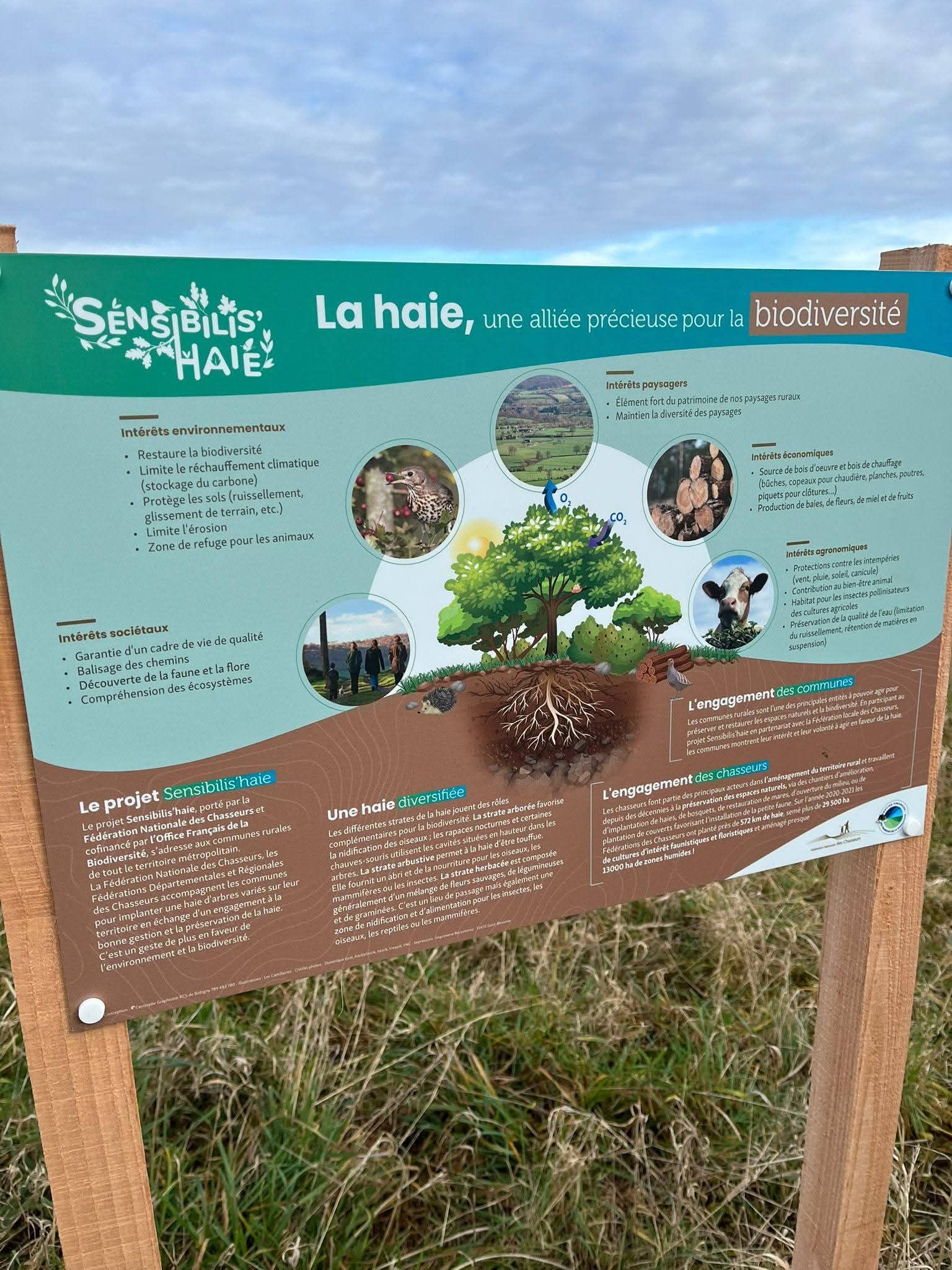
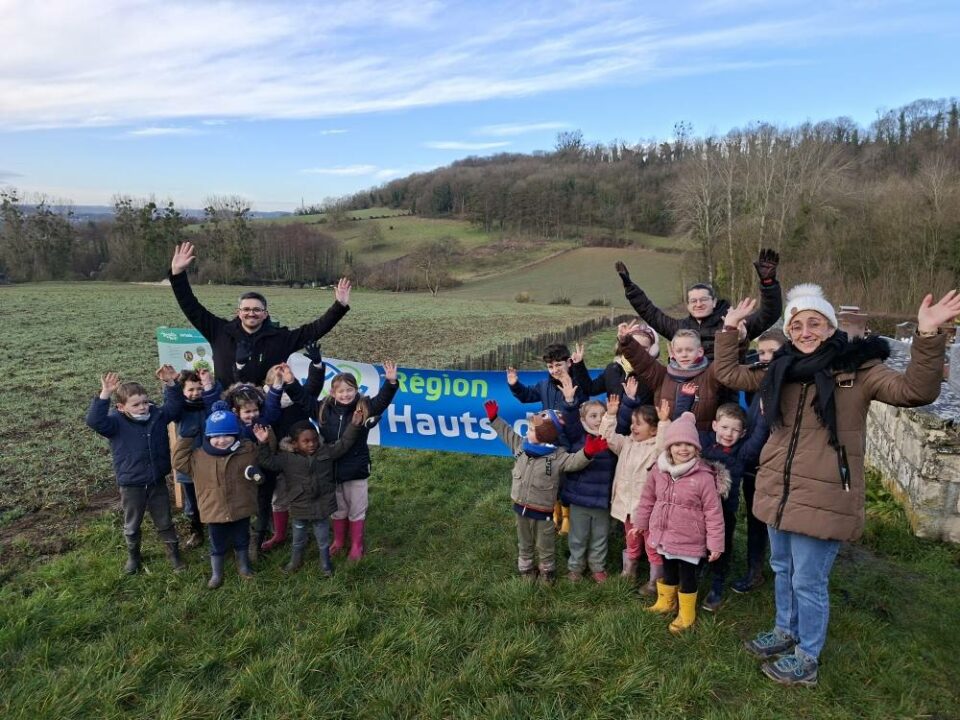
A cornerstone of this year’s activities was the SensibilisHaie operation, a collaborative project supported by the National Federation of Hunters (FNC) and the French Biodiversity Agency (OFB) through the eco-contribution fund. This programme focuses on environmental education and awareness-raising, engaging 11,700 children in 241 communes to plant 431 tree kits. Such community-based actions are vital for safeguarding the natural habitat while fostering a deeper understanding of biodiversity among the younger generation.
In addition to youth-led initiatives, the regional federations implemented extensive habitat improvement measures, planting over 20 kilometres of hedgerows. These efforts are essential for restoring ecological corridors and enhancing landscape connectivity, which provide critical nesting and foraging sites for small game and numerous other wildlife species. The project also prioritised the conservation of genetic diversity by planting 6,380 traditional fruit trees and 3,349 companion trees, focusing on heritage regional varieties.
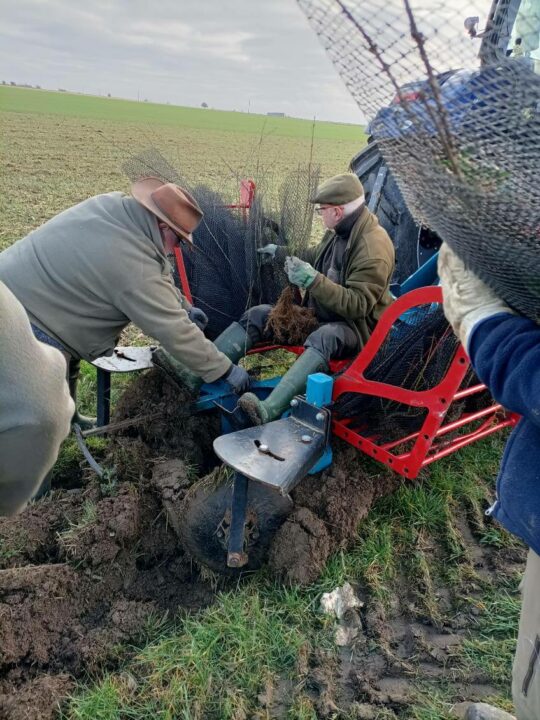
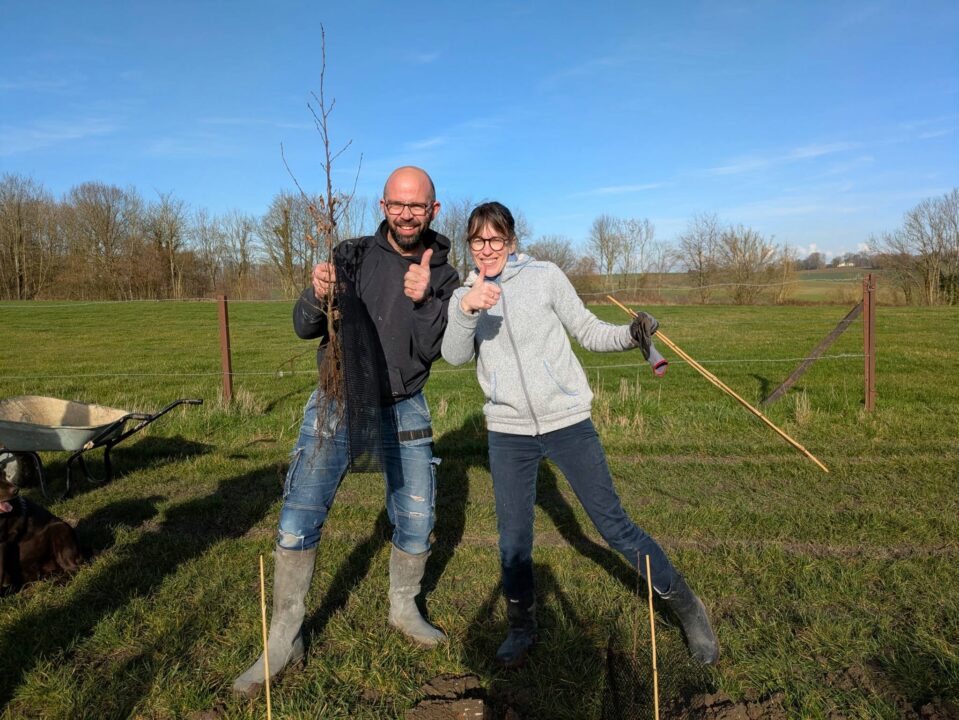
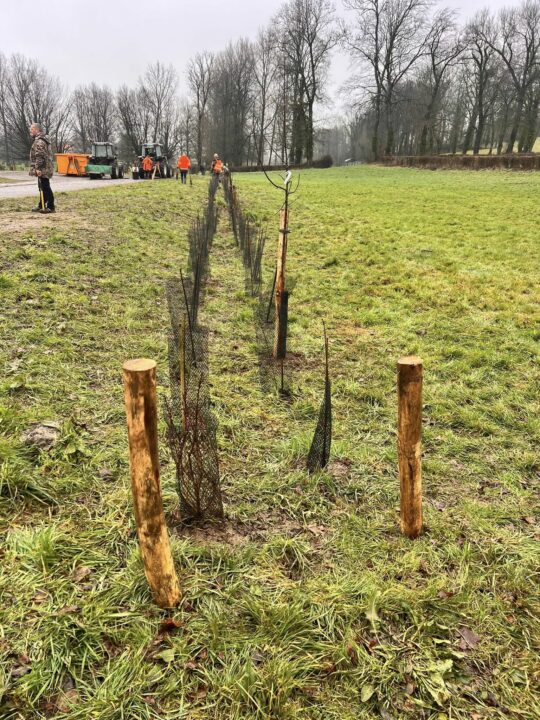
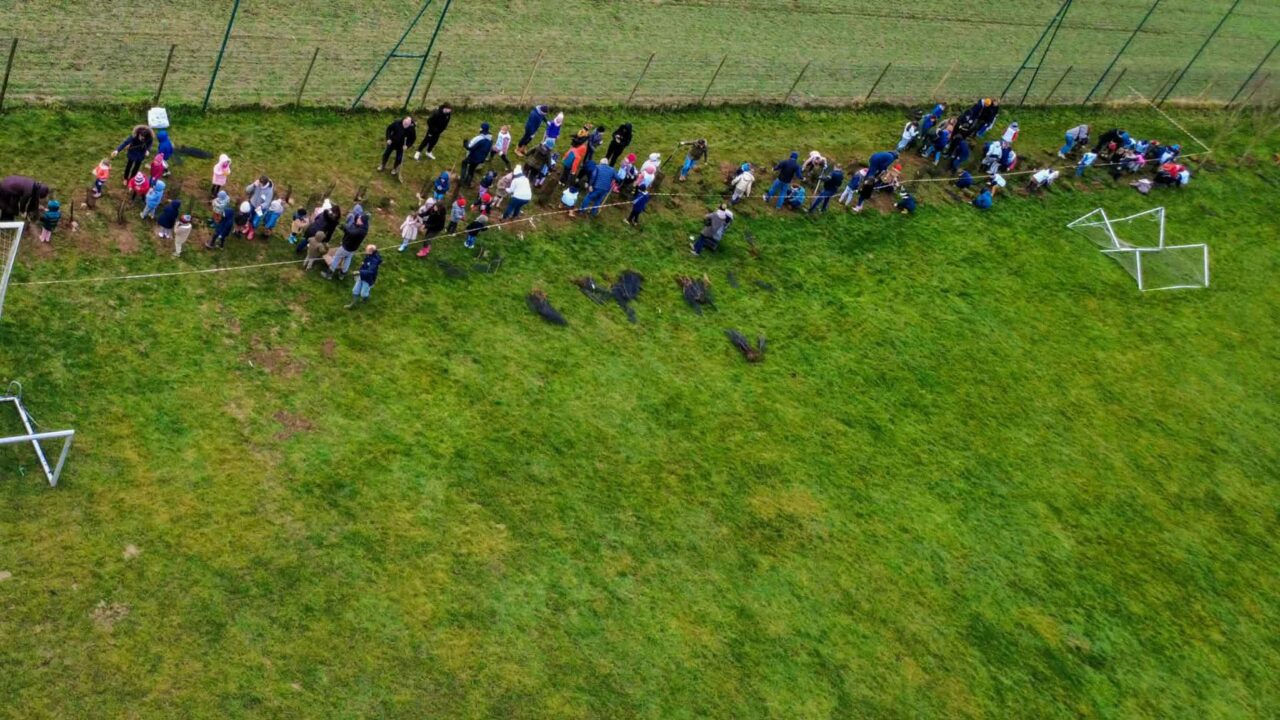
This season’s success reflects a long-term commitment to ecosystem restoration. Over the past two decades, hunters in Hauts-de-France have planted more than one million trees and shrubs, demonstrating the scale of active participation by the hunting community in nature conservation. All plants used in these projects are certified as “Végétal Local” or regional heritage varieties, ensuring they provide maximum ecosystem services and are adapted to local conditions.
Supported by the Hauts-de-France Region , these actions highlight the successful cooperation between hunters, regional authorities, and rural stakeholders. By continuing to invest in landscape-level conservation, Europe’s hunters remain at the forefront of efforts to conserve and restore Europe’s nature for future generations.