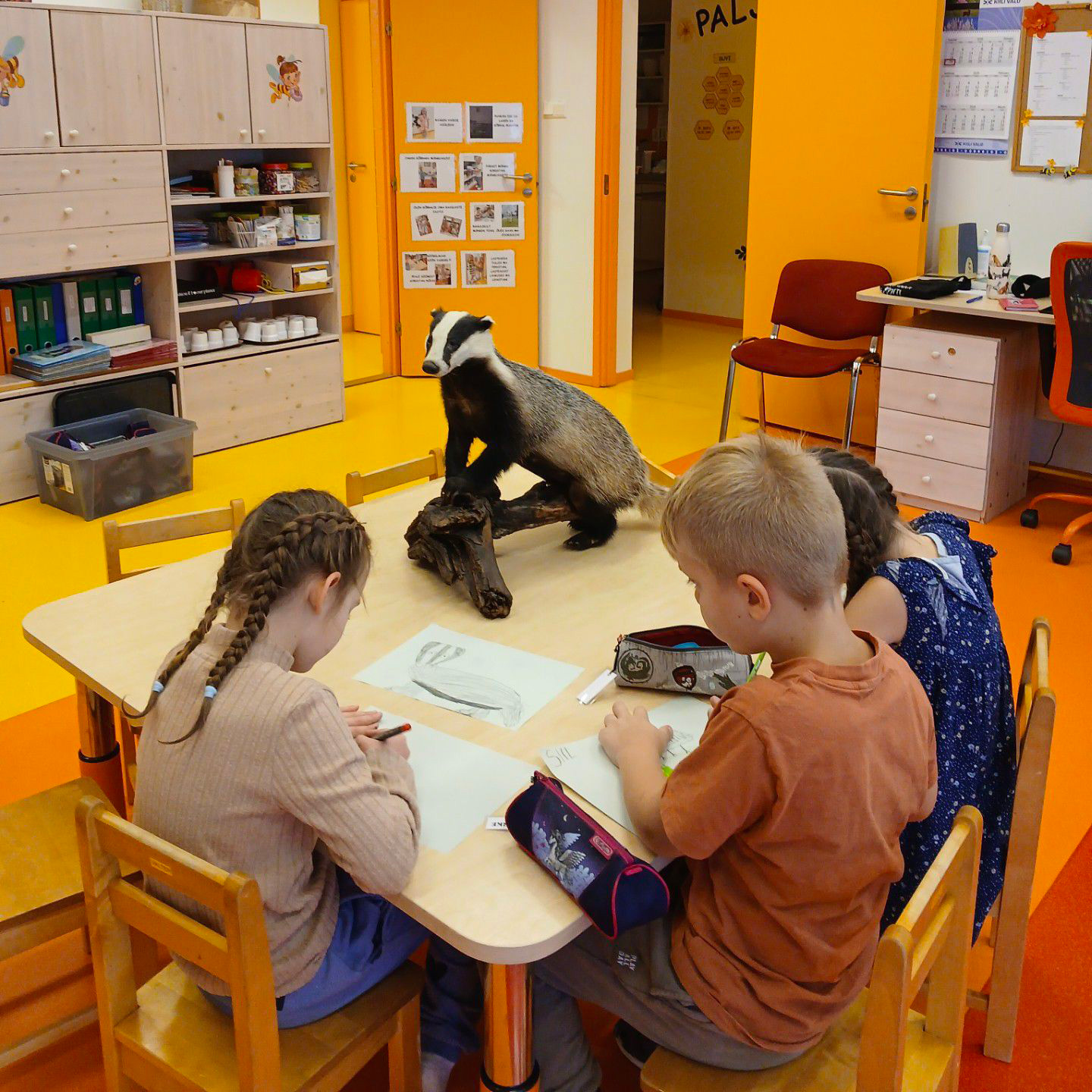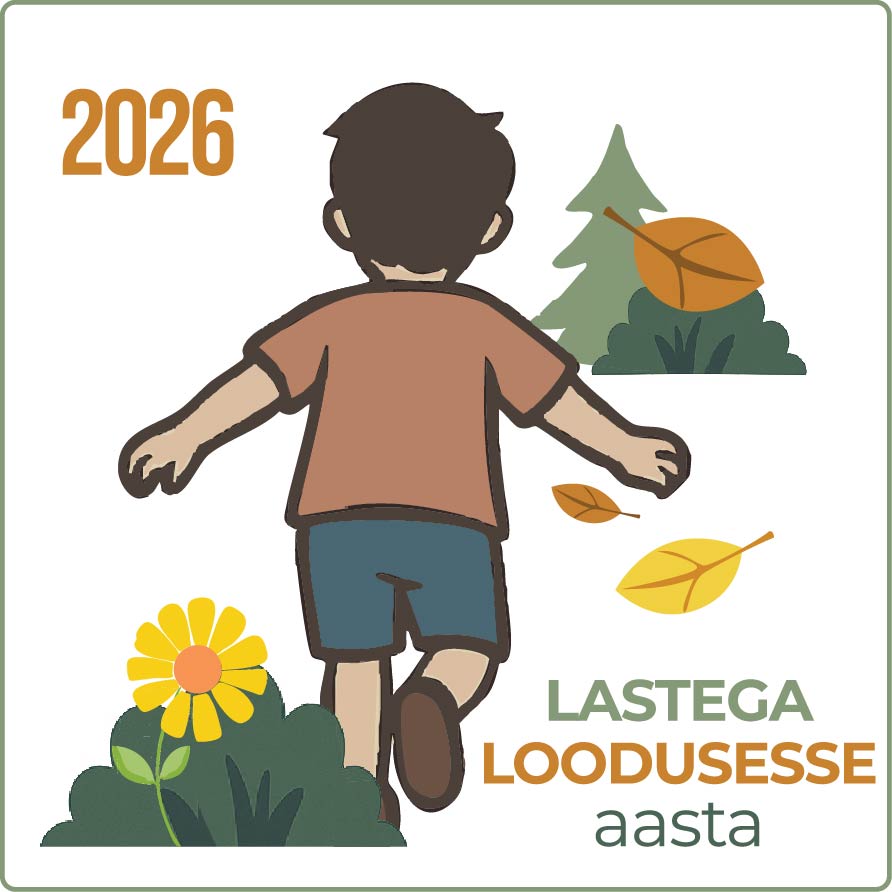

The Estonian Hunters’ Society (EJS) has officially designated 2026 as the year of “Lastega loodusesse” (With Children into Nature). This initiative, approved by the EJS Board, focuses on proactively promoting the environmental knowledge and practical outdoor experiences of children and young people across Estonia.
According to EJS CEO Tõnis Korts, the primary objective of this thematic year is to bring the younger generation closer to the natural world. By facilitating direct contact with the outdoors, the EJS aims to help youth better understand our environment. This initiative addresses the modern challenge of urbanisation, where children now spend significantly less time in nature than previous generations, leading to a decline in practical understanding of nature.
The project focuses on several key areas of engagement:
- Direct Nature Experiences: Organising excursions, observation evenings, and practical field days to encourage active participation in the outdoors.
- Environmental Education: Explaining the rhythms of the seasons, the importance of various habitats, food chains, and the specific roles different species play within a healthy ecosystem.
- Developing Ecological Thinking: Cultivating an understanding that the environment is a holistic system where changes to one species inevitably impact others.
- Generational Knowledge Exchange: Serving as a bridge between traditional experience and modern environmental education to ensure that cultural heritage and nature conservation knowledge are passed on.


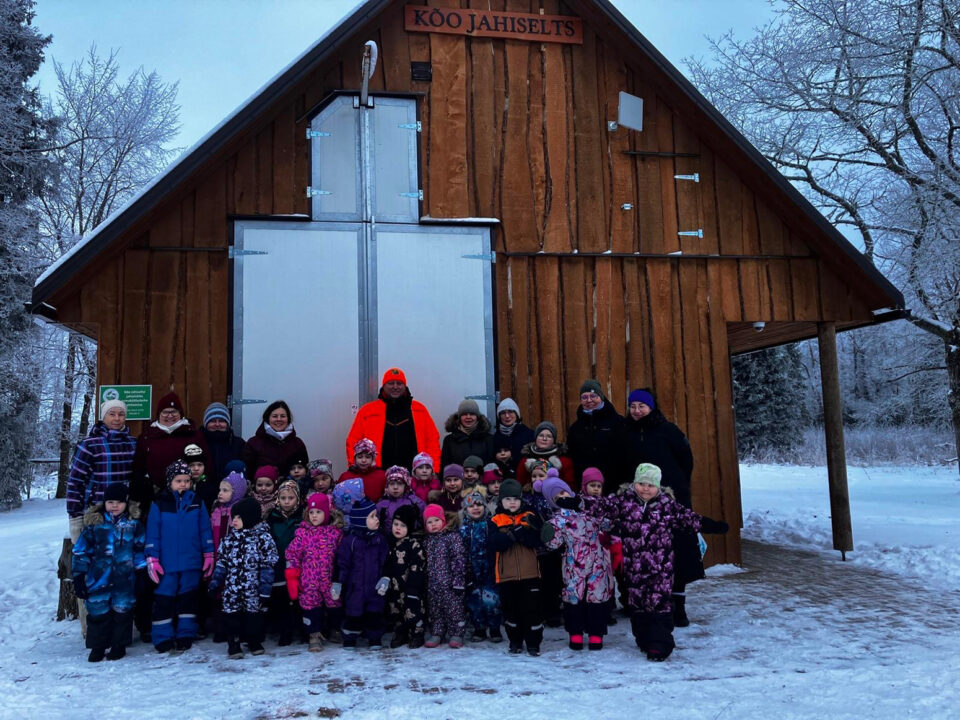
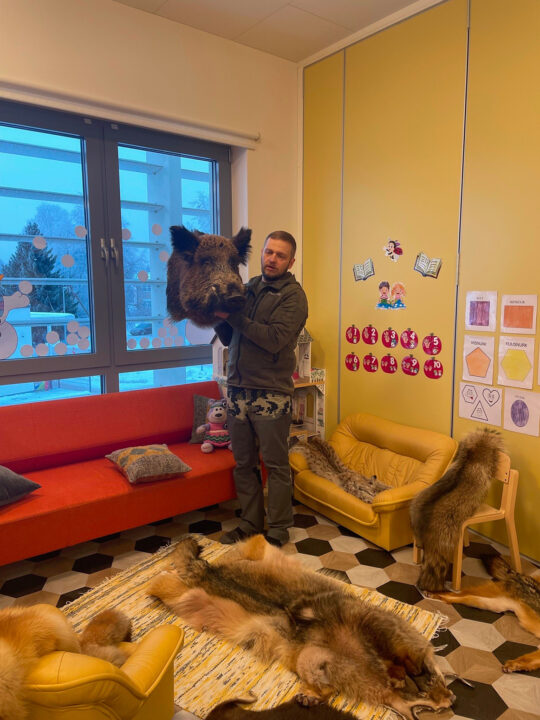
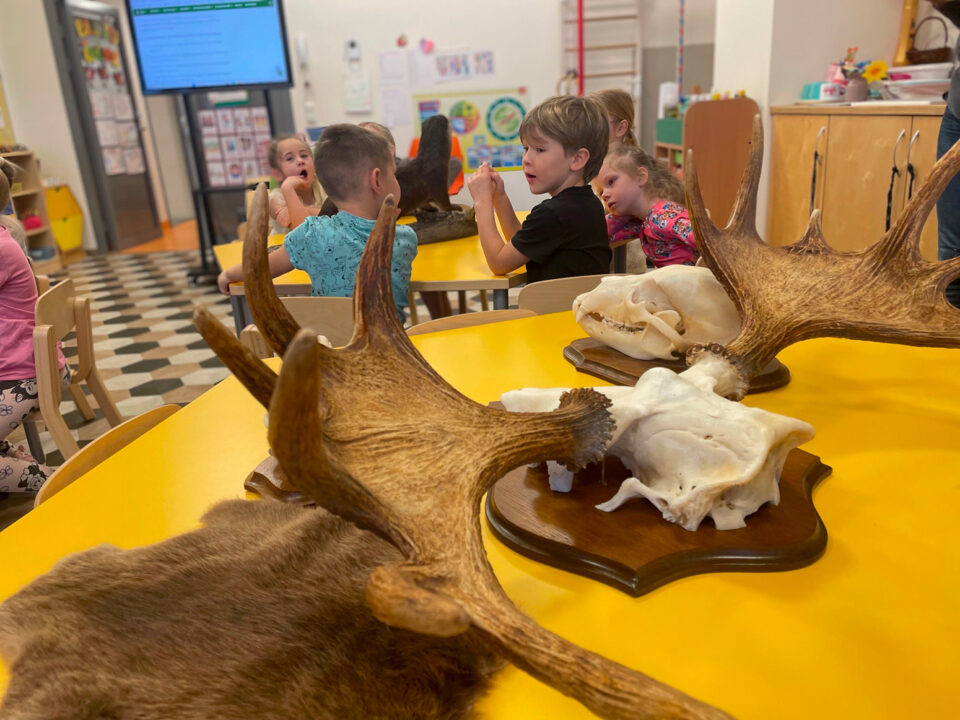
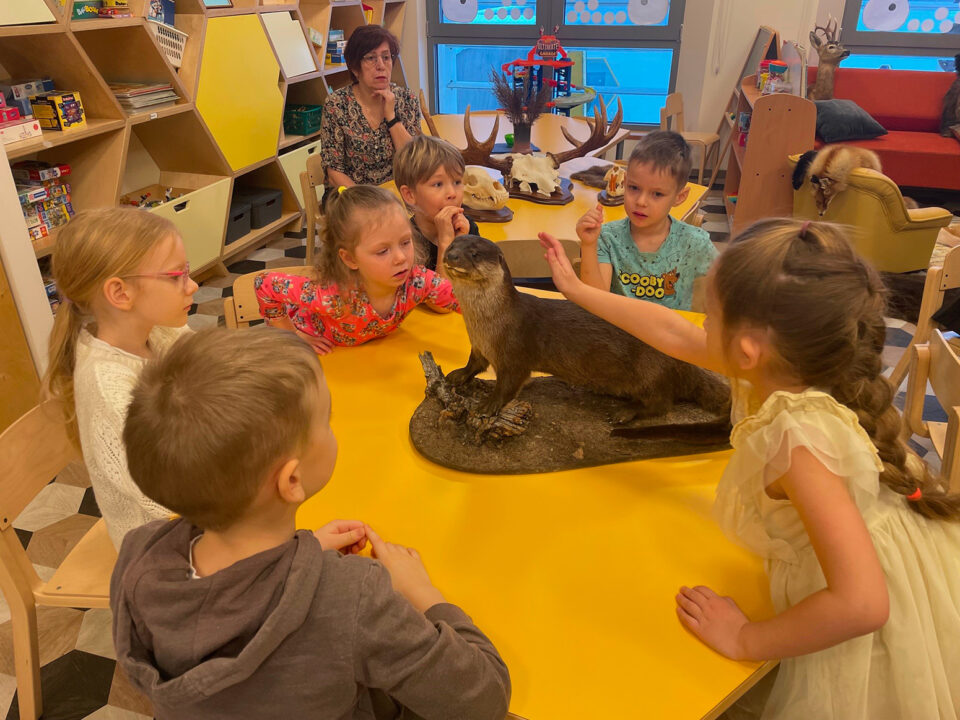
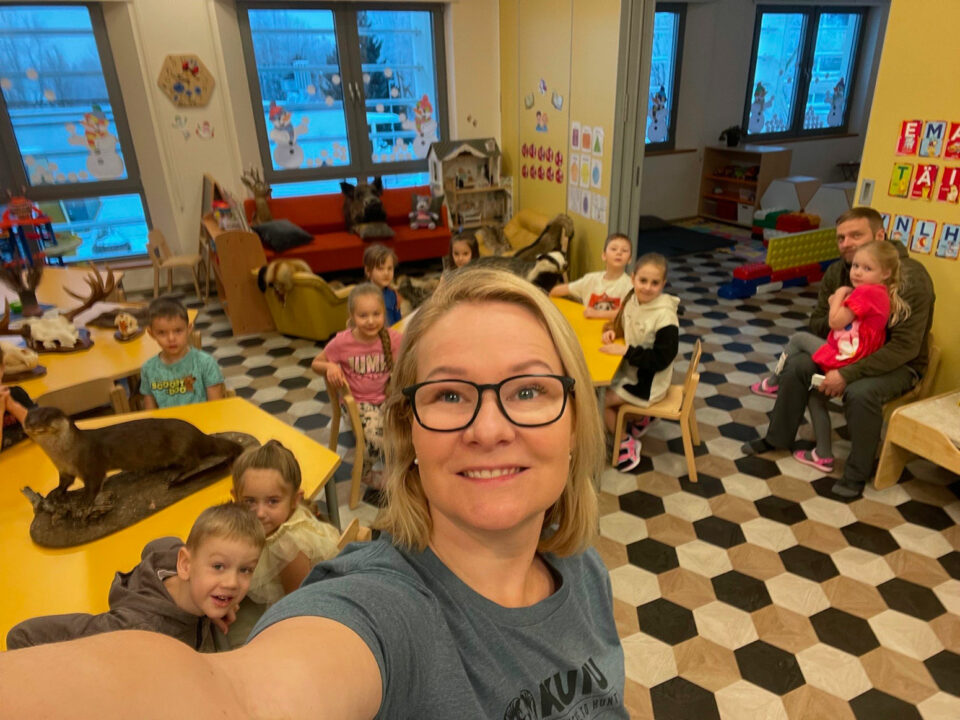
The EJS emphasises that while the recruitment of future hunters is a welcome secondary outcome, the central goal is to improve the quality of general nature education. By providing science-based and life-centric information, the project seeks to promote a society that is better informed about biodiversity and sustainable ecosystem management.
The Estonian hunting community is well-equipped for this task, with experts already coordinating youth nature camps and educational outreach in schools. Many local hunting associations maintain facilities and collections that serve as valuable educational resources. The EJS calls upon all its members and regional associations to be active participants in this thematic year by organising workshops, nature walks, and training sessions to share their unique expertise with the next generation.