
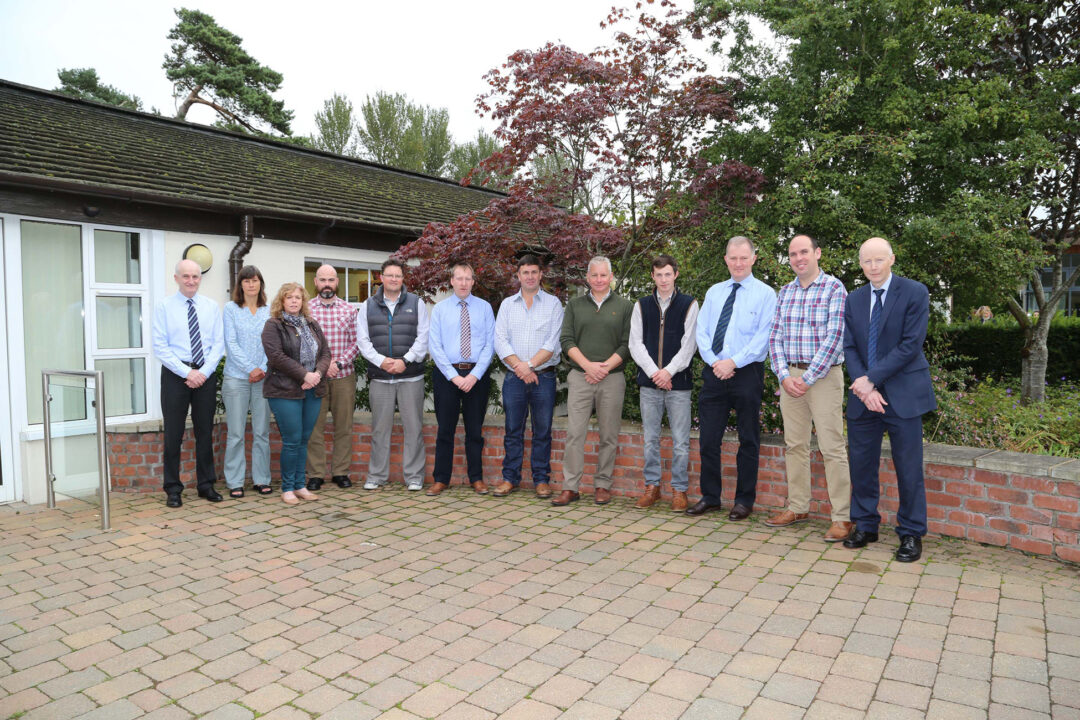
The Irish Grouse Conservation Trust (IGCT) has established a unique collaborative initiative in Northern Ireland, the Glenwherry Hills Regeneration Project (GHRP), involving the Department of Agriculture, Environment & Rural Affairs (DAERA), the Royal Society for the Protection of Birds (RSPB), the Northern Ireland Environment Agency (NIEA), and local stakeholders. IGCT is represented by Ian Glendinning (Managing Director) and Merlin Becker (Head Gamekeeper).
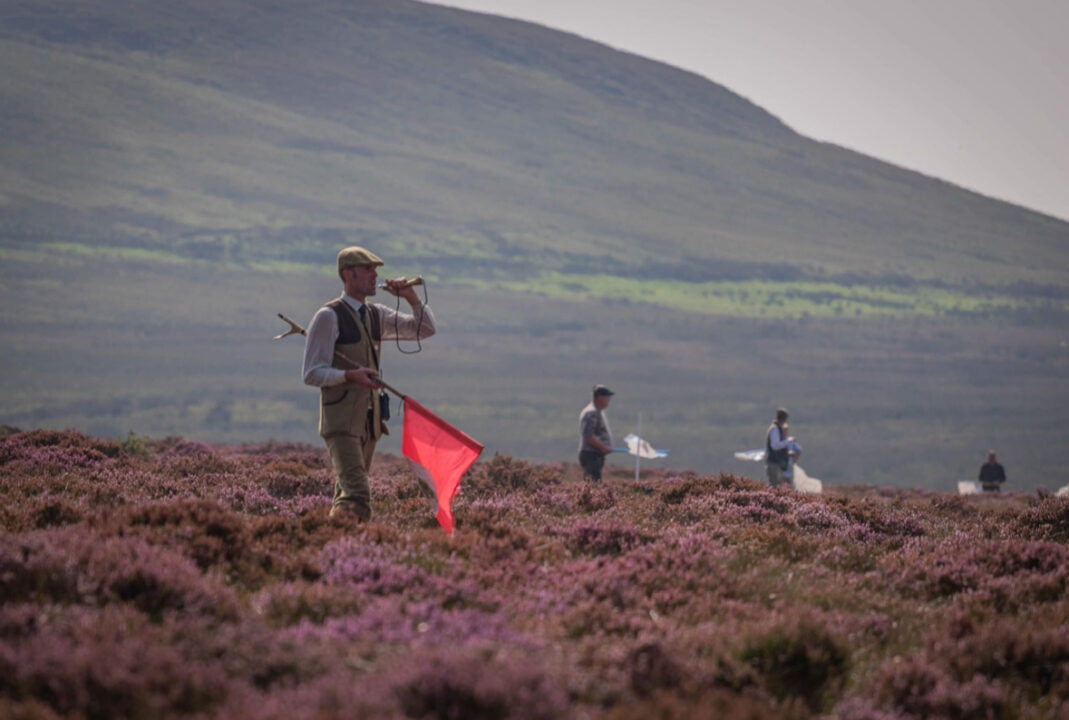
The project aims to halt national biodiversity declines by demonstrating how best-practice moorland management—including predator control, habitat restoration, and sustainable farming—can deliver multiple benefits at landscape scale, supporting both wildlife conservation and sustainable rural development.
Achievements and Activities:
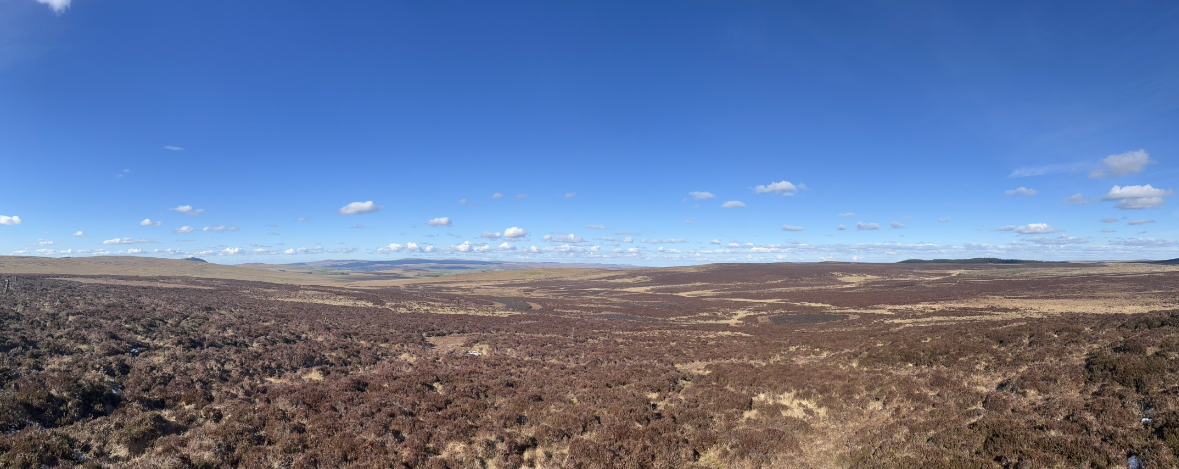
The GHRP operates across approximately 20,000 acres, including a Special Protection Area (SPA). This area supports:
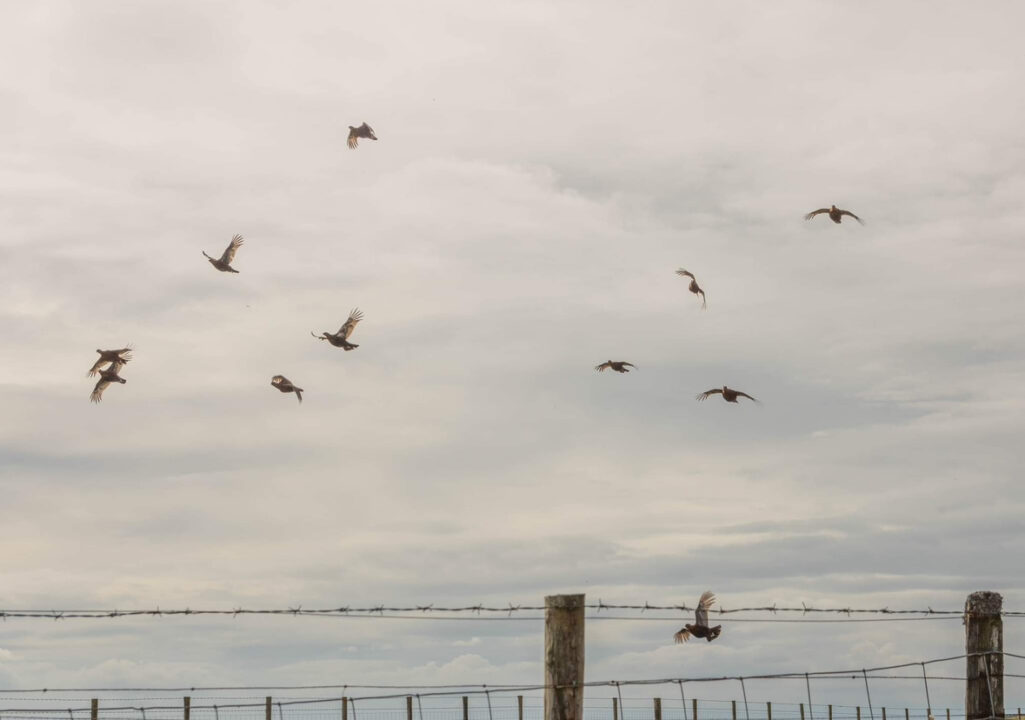
- 60% of Northern Ireland’s Red Grouse (Lagopus lagopus hibernicus) population
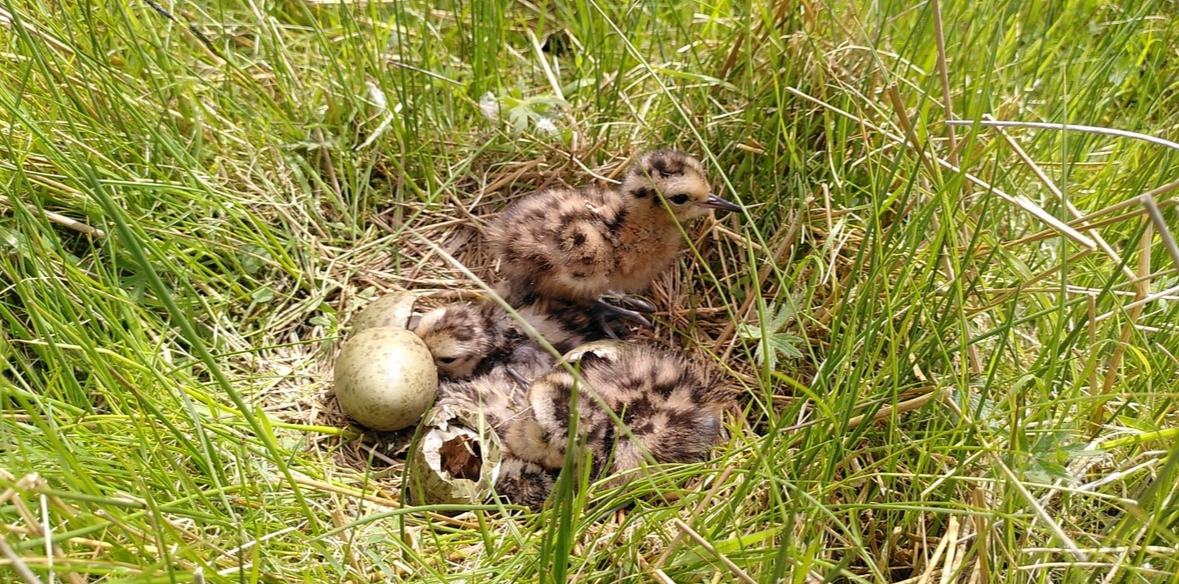
- 23% of its Curlew (Numenius arquata) population
- 15% of Irish Hare (Lepus timidus hibernicus)
- 7% of the Lapwing (Vanellus vanellus) population
Since 2007, IGCT has developed one of the most comprehensive biodiversity datasets for Northern Ireland, including:
- Irish Hare surveys
- Breeding Wader surveys
- Raptor monitoring
- Red Grouse counts
- Habitat and vegetation surveys
- Vermin monitoring
The project has helped implement the NIEA 2003 Red Grouse Action Plan and established a Red Grouse Action Plan Delivery Group, which has made presentations to Government Ministers. IGCT’s advisory role ensures alignment with national policies for grouse, wader, and raptor conservation.
Partnerships and Recognition
The GHRP represents an unprecedented collaboration between governmental agencies, conservation NGOs, and local stakeholders in the UK context. The Game and Wildlife Conservation Trust (GWCT) has followed the project closely and expressed interest in future partnership opportunities. Local stakeholders have also expressed strong support, recognizing the potential for improved biodiversity management and sustainable farming diversification.
Key Objectives:
- Showcase best-practice moorland management as a blueprint for nature recovery
- Demonstrate how predator control, habitat restoration, and sustainable farming can reverse biodiversity declines
- Expand the model across other upland areas in Ireland and the UK
- Support national policy implementation for protected and threatened species, including Curlew and Red Grouse
Types of Actions Carried Out:
- Management of habitats and wildlife
- Research and data collection
- Nature education and awareness
Species Focus
- Huntable Species: Red Grouse (Lagopus lagopus hibernicus)
- Protected Species: Curlew (Numenius arquata), Lapwing (Vanellus vanellus)
- Threatened Species: Irish Hare (Lepus timidus hibernicus)
- Generalist Predators: Various local species
Funding: The IGCT is funded entirely by its founding subscribers, while the GHRP project receives financial support from government sources.
Organisation Details
- Contact: Merlin Becker (merlin@igct.co.uk)
- Organisation: Irish Grouse Conservation Trust (IGCT)
- Location: Glenwherry, Ballymena, County Antrim, Northern Ireland
- Project Start Year: 2007
- Habitat Types: Mountains
- Protection Status: Regional and National Protected Areas