
Hunters, Local Authorities, Farmers and Residents Join Forces to Restore Biodiversity.
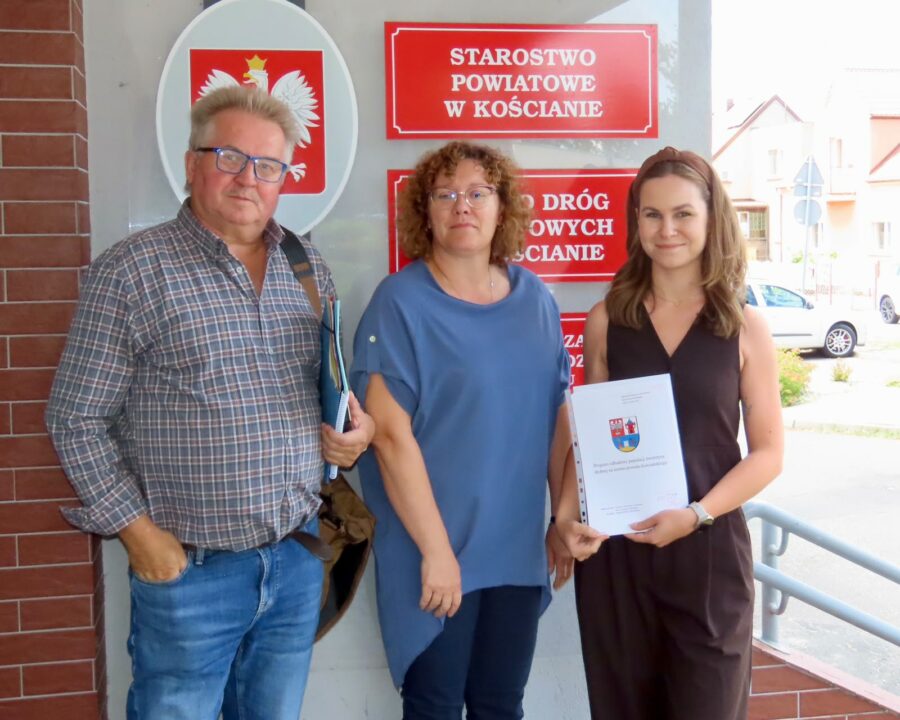
Hunters associated with Kościańska Knieja, with the support of the Municipality of Kościan and the Kokorzyn Village Council, are implementing an ambitious environmental initiative entitled Grey Partridge – Four Seasons in an Agricultural Hunting District.
The project serves as an example of local cooperation for nature conservation and biodiversity restoration in agricultural landscapes while contributing directly to the key environmental objectives of the European Union, including the European Green Deal, the EU Biodiversity Strategy for 2030, the Nature Restoration Law, and measures implemented under the Common Agricultural Policy (CAP).
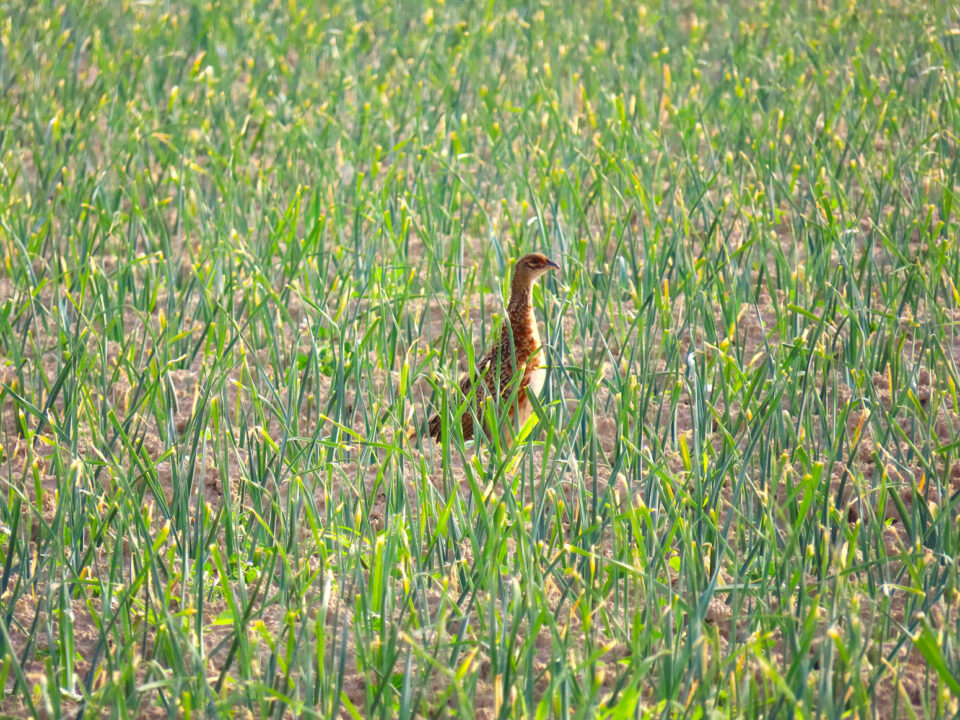
The initiative draws inspiration from the international PARTRIDGE INTERREG project, which focuses on improving habitat quality in agricultural areas and restoring populations of species closely associated with farmland ecosystems. Particular attention is devoted to the grey partridge (Perdix perdix), a species widely recognized as one of the most important indicators of environmental health in Europe’s agricultural landscapes.
Responding to the Biodiversity Crisis in Farmland Ecosystems
For many years, scientists and environmental institutions have warned about the dramatic decline of species associated with agricultural habitats. The intensification of farming practices, removal of field margins and hedgerows, loss of landscape heterogeneity, and the decline of pollinating insects have contributed significantly to the degradation of agroecosystems across Europe.
Addressing these challenges is the primary objective of the project being implemented in the Kościan County area. Its overarching goal is to restore habitats and increase grey partridge populations through the re-establishment of natural landscape features, improvement of living conditions for small game species, and active engagement of local communities.
These efforts are fully aligned with the objectives of the EU Biodiversity Strategy for 2030, which aims to halt biodiversity loss and restore degraded habitats and ecosystems. They also contribute directly to the implementation of the Nature Restoration Law, which requires Member States to progressively restore degraded ecosystems, including agricultural habitats of high ecological value.
Shared Responsibility for the Rural Landscape
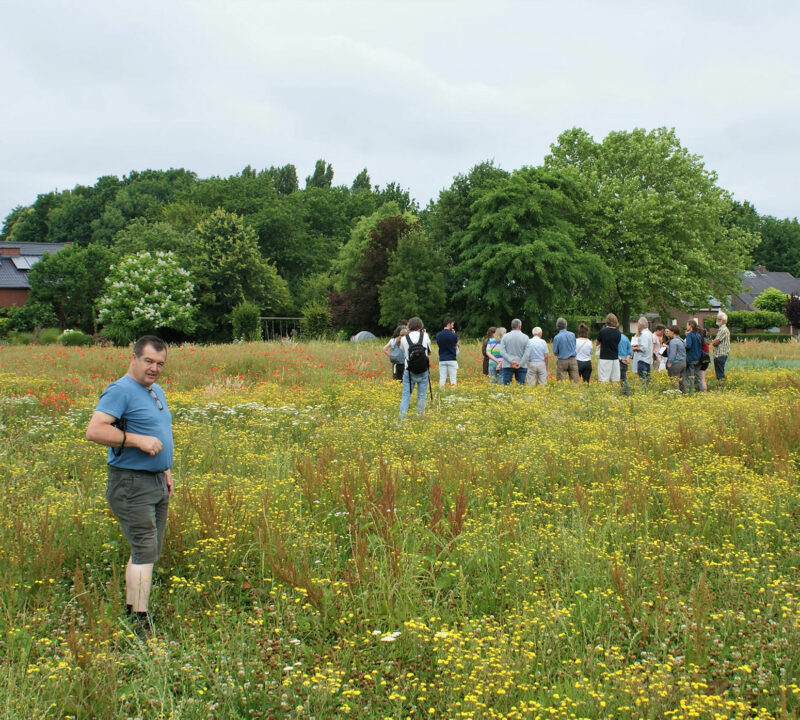
The project brings together hunters, local government authorities, farmers, foresters, teachers, beekeepers and local residents. Such a broad partnership reflects the modern approach to nature conservation, recognizing that successful ecosystem restoration requires the active involvement of all stakeholders who manage and benefit from natural resources.
The first organizational and field activities began in 2025. In cooperation with the Municipality of Kościan, a municipal plot of land was allocated for the creation of the “Knieja Educational Refuge”, including an outdoor educational pavilion.
The facility is located within the area of three villages where local primary schools operate environmental clubs focused on biology, nature photography and outdoor education. The new educational site will host workshops, field classes and community meetings dedicated to biodiversity conservation, climate change adaptation, sustainable land management and environmental stewardship.
Special emphasis will be placed on educating younger generations, who will play a crucial role in shaping the future of local ecosystems and rural landscapes.
Pollinators, Nectar-Rich Plants and Ecosystem Restoration
One of the project’s key components is the enhancement of habitats for pollinating insects. Their dramatic decline has been identified by the European Union as one of the most serious threats to food security and ecosystem resilience.
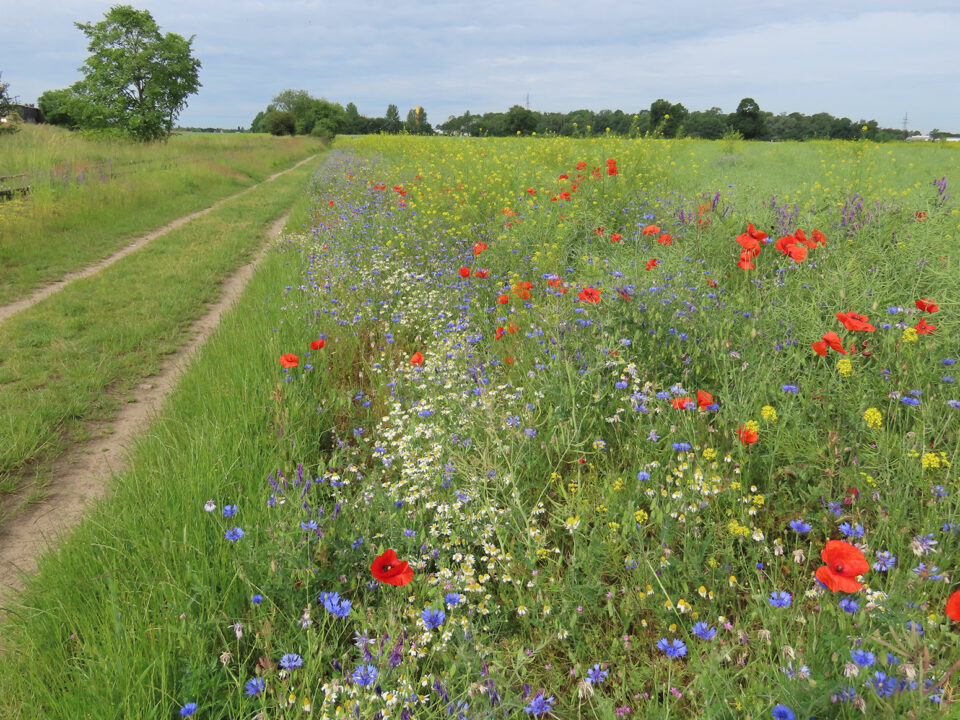
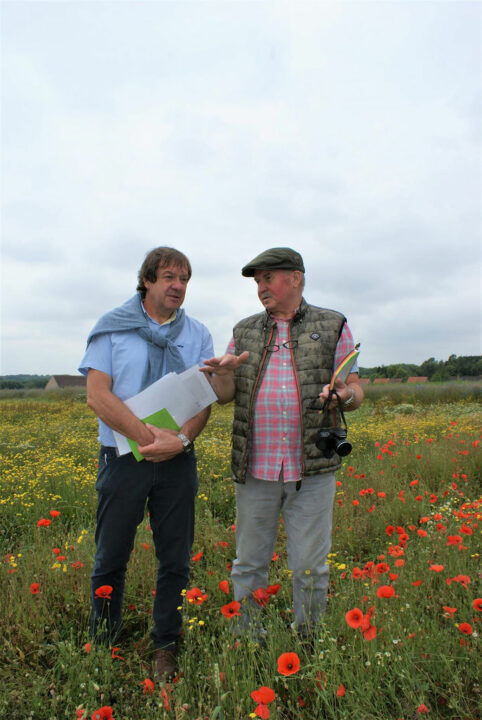
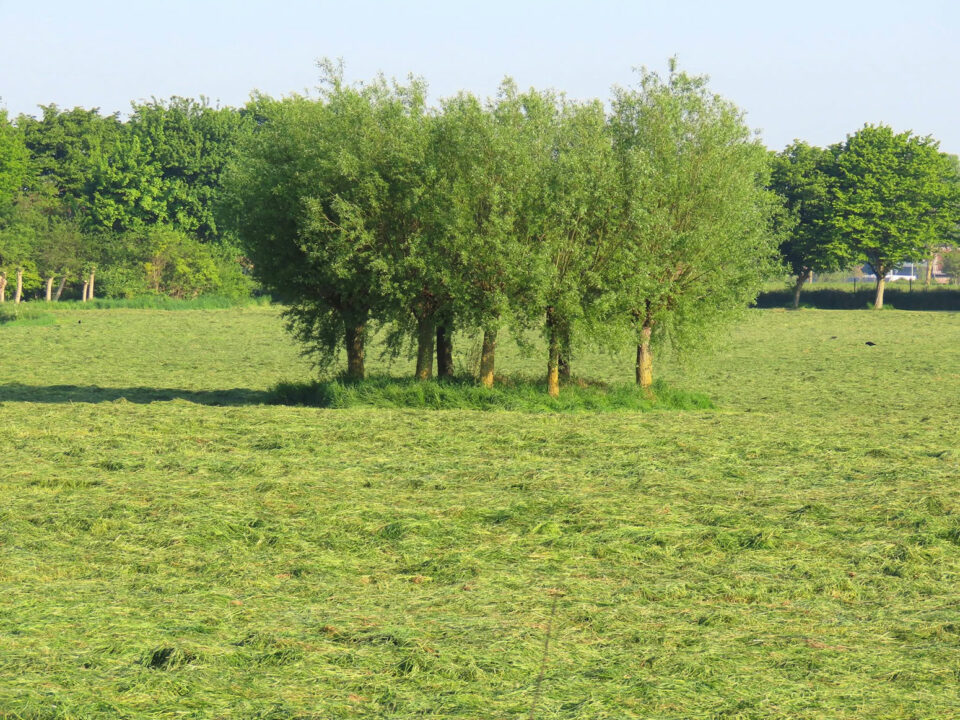
Participating farmers will implement measures that support pollinator populations, while local beekeepers will contribute to expanding nectar and pollen resources through the establishment of flowering plant communities. Additional tree and shrub plantings, as well as perennial vegetation strips, will improve landscape structure and provide shelter for birds, insects and small mammals.
These activities are fully consistent with the objectives of the EU Pollinators Initiative and the environmental ambitions of the Common Agricultural Policy, which promotes buffer strips, field margins, hedgerows and other landscape features that increase biodiversity and ecosystem resilience.
Restoring Degraded Land
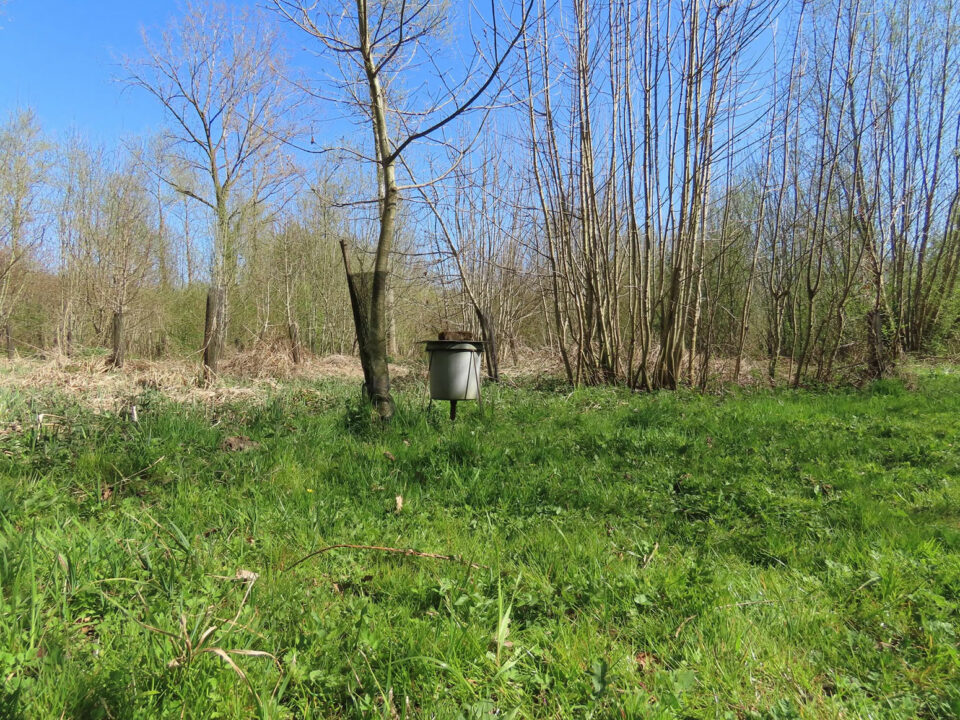
As part of the project, a degraded 2.1-hectare site has undergone ecological restoration. Historically belonging to a state-owned agricultural enterprise, the area had for many years been used as an informal dumping site for waste materials.
Following extensive clean-up operations, the site was sown with mixtures of native perennial plant species, including yarrow (Achillea millefolium), meadow buttercup (Ranunculus acris) and red clover (Trifolium pratense). These species improve soil quality, enrich soils with nitrogen and provide valuable food resources for pollinating insects.
This initiative demonstrates that even heavily degraded land can be successfully restored and reintegrated into functioning ecosystems. Such restoration efforts are now considered a cornerstone of European environmental policy.
Scale of the Initiative
The project covers a hunting district of 7,580 hectares, including 1,242 hectares of forest, leased by the Hunting Club no. 11 „Knieja” in Kościan. Following a detailed assessment of land use, 1,650 hectares of arable fields, grasslands, meadows and fallow land were identified as priority areas for habitat restoration.
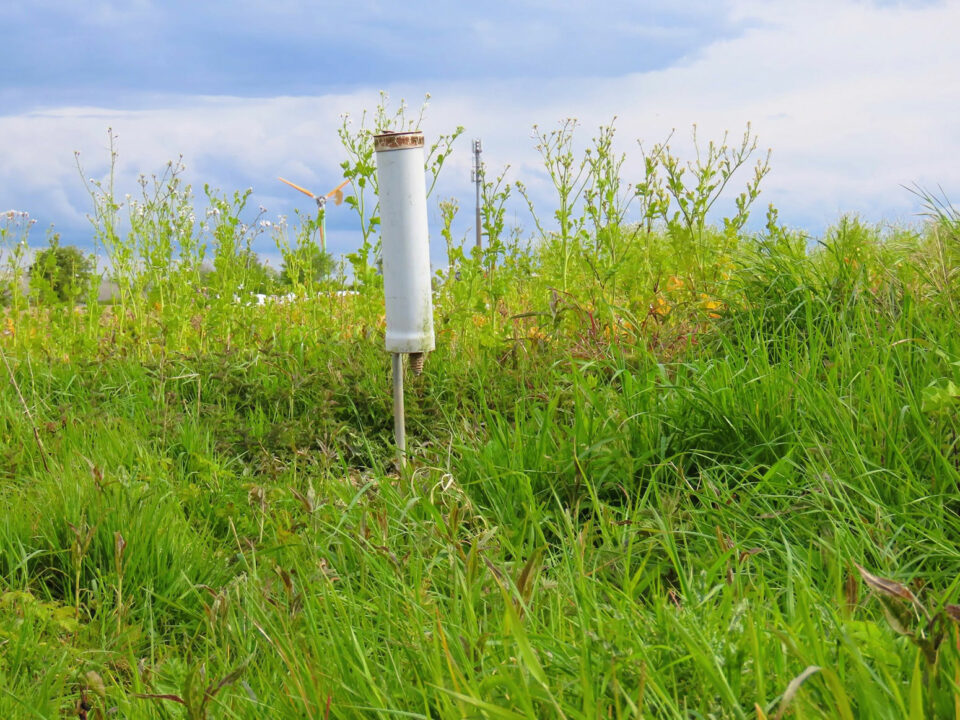
Population surveys confirmed the need for active reintroduction measures within a 610-hectare area where grey partridges are currently absent. In the remaining 1,040 hectares, monitoring identified 27 calling males, indicating the presence of a remnant population that can be strengthened through habitat improvement and supplementary feeding measures.
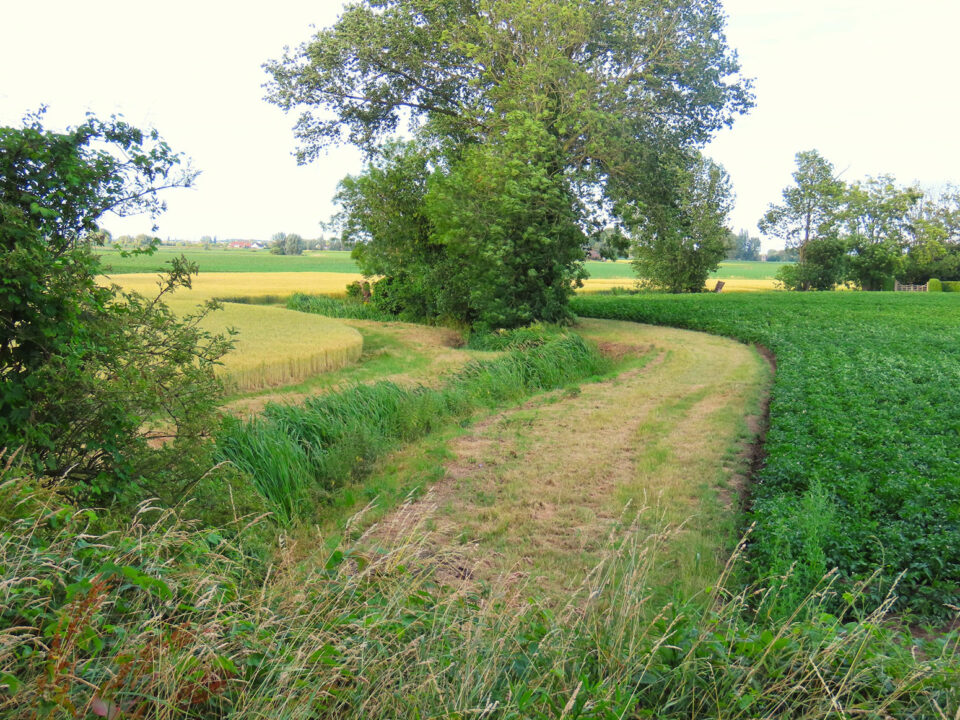
In September 2026, the release of 24 breeding pairs of grey partridges is planned within the designated restoration area. At the same time, municipal field margins adjacent to agricultural roads will be sown with perennial winter vegetation mixtures that will provide shelter and food resources for a wide range of wildlife species.
Comprehensive monitoring surveys are scheduled for November 2026 and January 2027 to assess the effectiveness of restoration measures and evaluate population trends across both project areas.
Local Cooperation for Nature
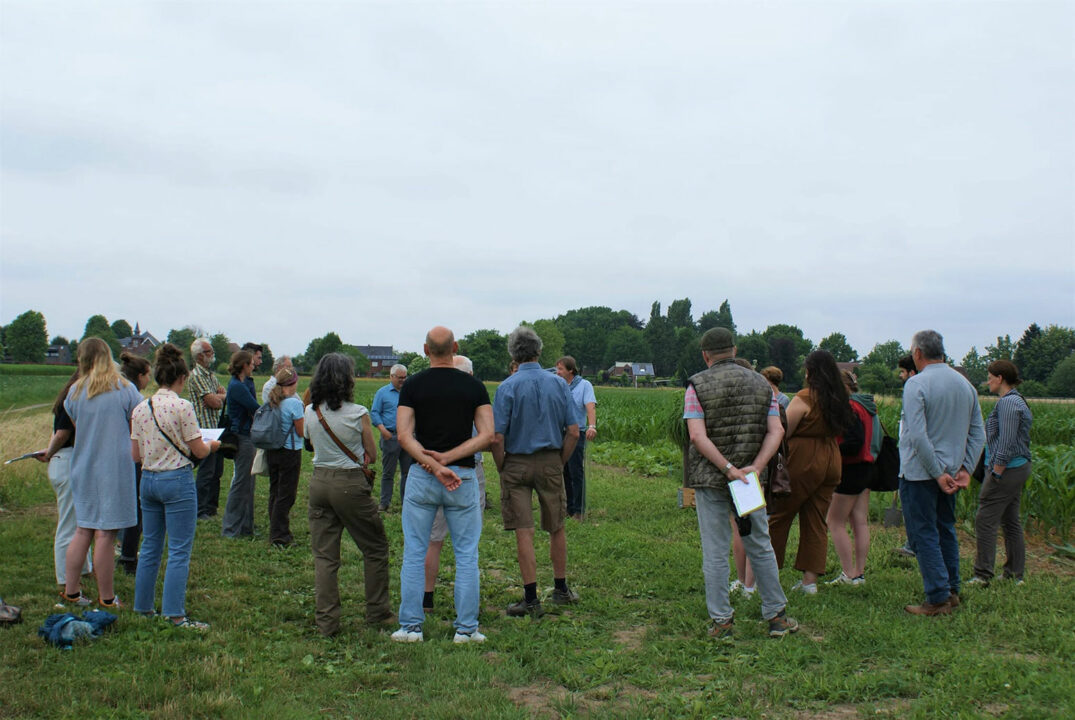
In April 2027, three advisory groups composed of farmers, foresters, hunters and teachers will be established. Each group will focus on a specific area of expertise, including wildlife-friendly farming practices, tree and hedgerow establishment, and environmental education.
At the same time, detailed cartographic documentation is being prepared to map restored fallow land, buffer strips and demonstration plots. Areas previously dominated by maize monocultures will be transformed into diverse plant communities that support biodiversity and provide valuable food resources for wildlife.
A Model Example of Delivering the European Green Deal Objectives
The project “Grey Partridge – Four Seasons in an Agricultural Hunting District” represents a practical example of implementing European nature restoration policies at the local level. It combines species conservation, habitat restoration, pollinator support, environmental education and community engagement within a single integrated framework.
In the face of climate change, creating habitats resilient to drought, extreme temperatures and increasingly frequent weather anomalies has become essential. Reliable access to water, food resources and breeding sites is critical for the survival of species associated with agricultural landscapes.
Project partners emphasize that restoring agroecosystems is a long-term process requiring commitment, cooperation and perseverance. However, only through collaborative action involving local authorities, farmers, hunters, environmental organizations, government institutions and local communities can biodiversity loss be effectively reversed and the ecological richness of rural landscapes restored.
The project will be submitted, together with funding applications, to the Regional Fund for Environmental Protection and Water Management and the Polish Ministry of Climate and Environment.
Source: Jaroslaw Kuczaj, Environmental Policy Expert