

Over a five-year period, the Estonian Hunters’ Society (EHS) examined how wildlife warning reflectors influence collisions involving large game on Estonian roads, with a particular focus on roe deer. Using data recorded by hunters and analysed by independent scientists, the study found a threefold decrease in the average roe deer vehicle collision rate on road sections where reflectors were installed, with no evidence of animals adapting to the devices over time.
Context – Wildlife vehicle collisions are a major road safety concern and can also cause significant economic loss. In Estonia, the number of registered wildlife vehicle collisions increased from 1,332 to 4,400 cases per year between 2014 and 2018.
While fencing combined with wildlife crossing structures and detection systems can be highly effective, these measures are costly and typically implemented on major roads. EHS therefore sought a practical mitigation measure that could be applied more widely, including on second-class highways and collector roads.
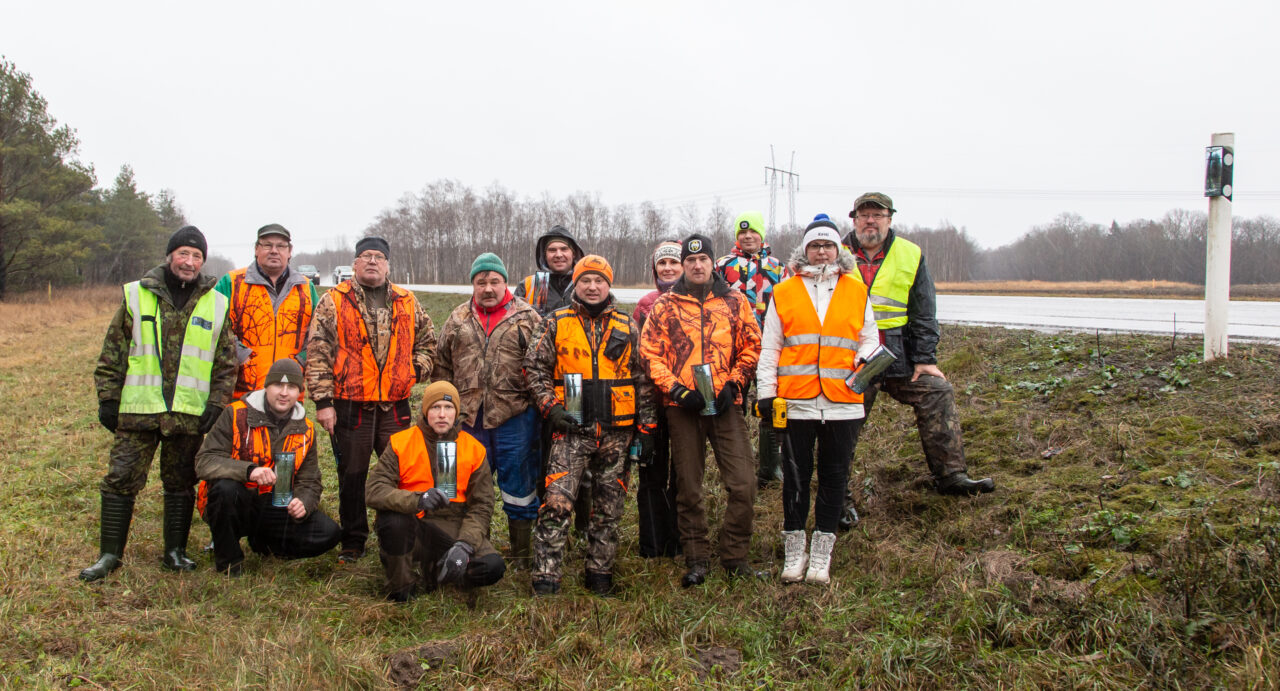
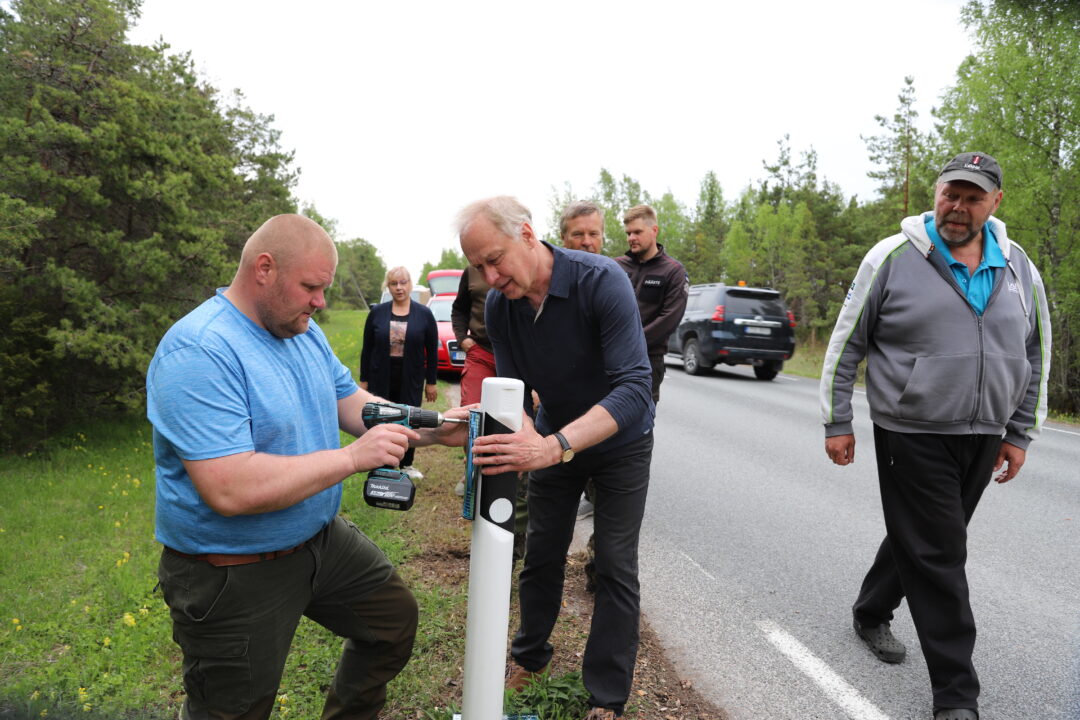
The initiative – The study builds on EHS’s Wild game on roads project, launched in response to growing concern among hunters and local communities about increasing collision rates. The project began as a volunteer initiative and required authorisation to install reflectors on delineators. The (then) Road Administration, now the Transport Administration, issued an experimental permit in July 2020, and the pilot phase was supported through cooperation with If P&C Insurance AS alongside contributions from local hunting districts, private benefactors and local authorities.
The project was led by Urmas Salmu, who served as project manager during the pilot phase.
The first three years indicated lower roe deer collision rates at reflector sites compared to control sites, but the gradual roll-out and low number of events meant that longer-term effects could not be confirmed. This led to a continuation of the study and an expanded analysis over five years.
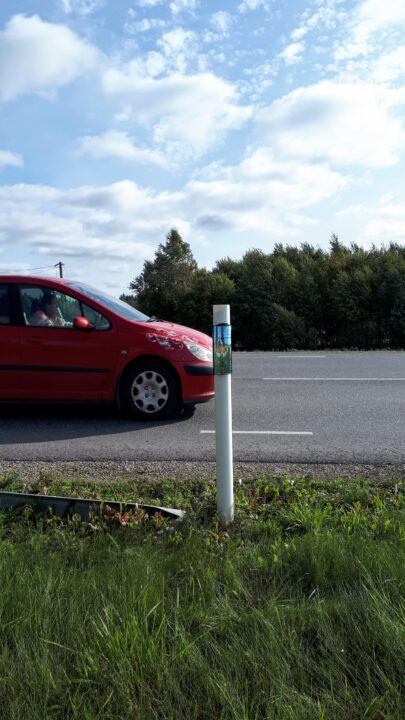
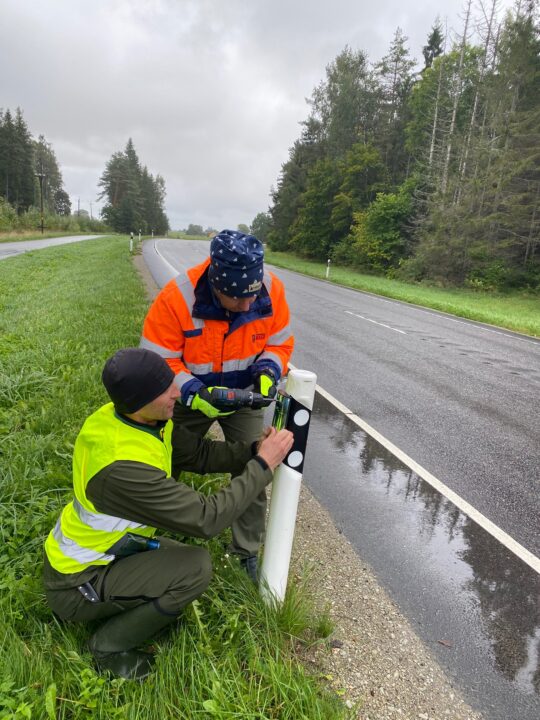
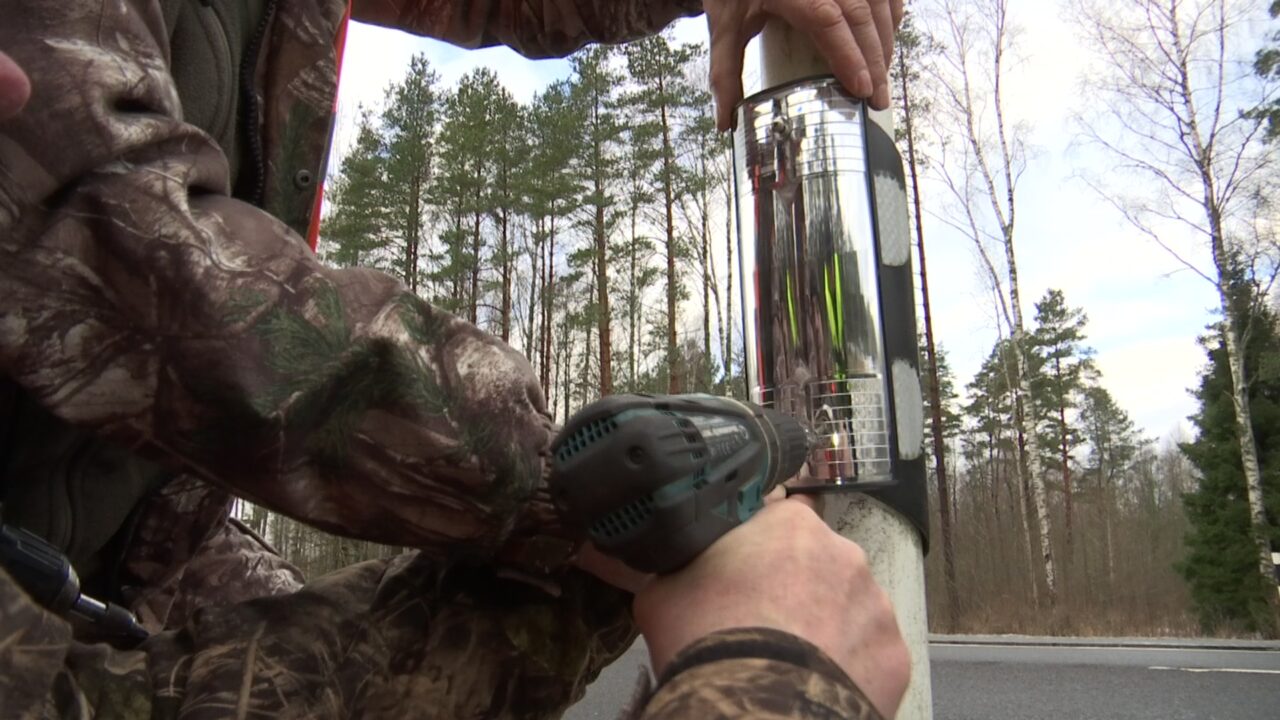
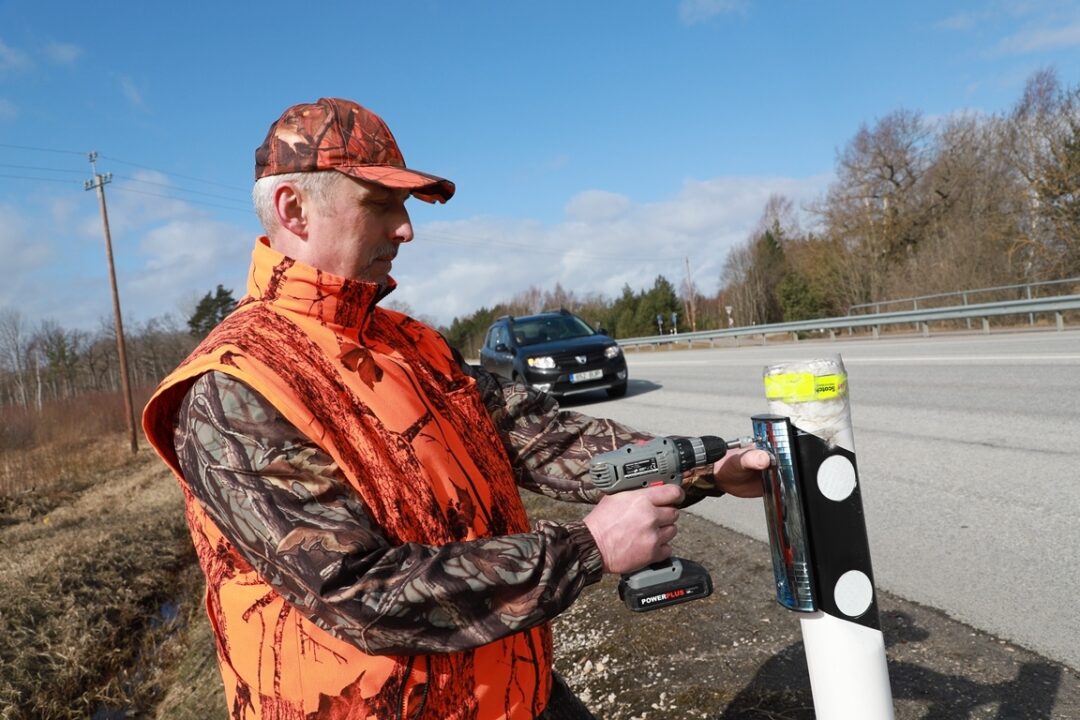
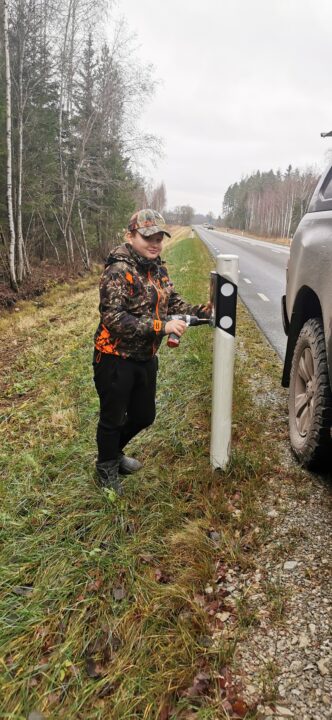
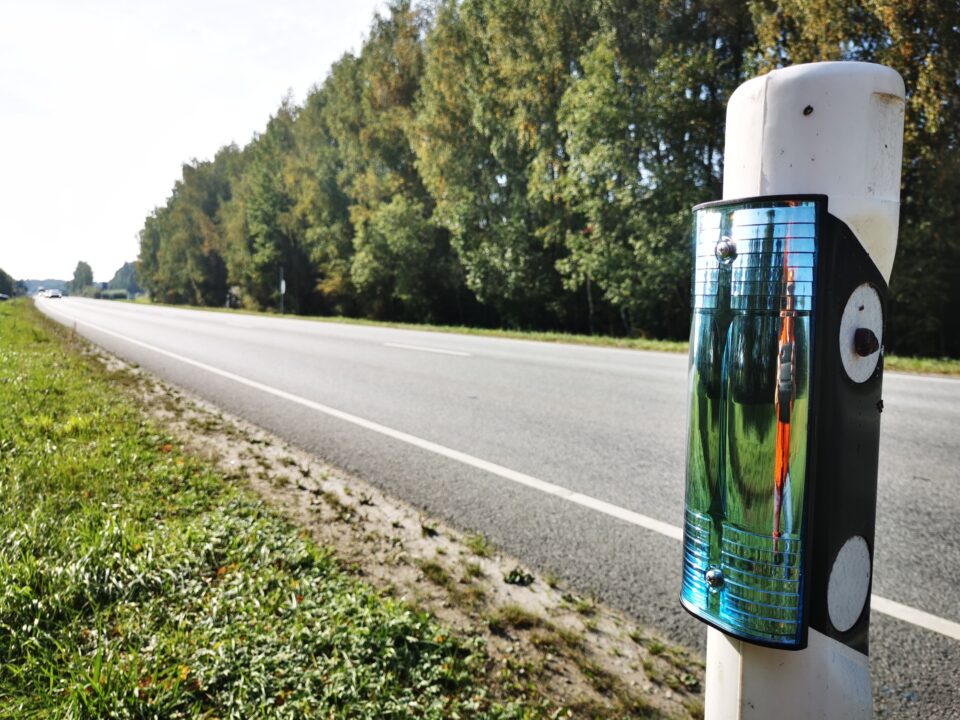
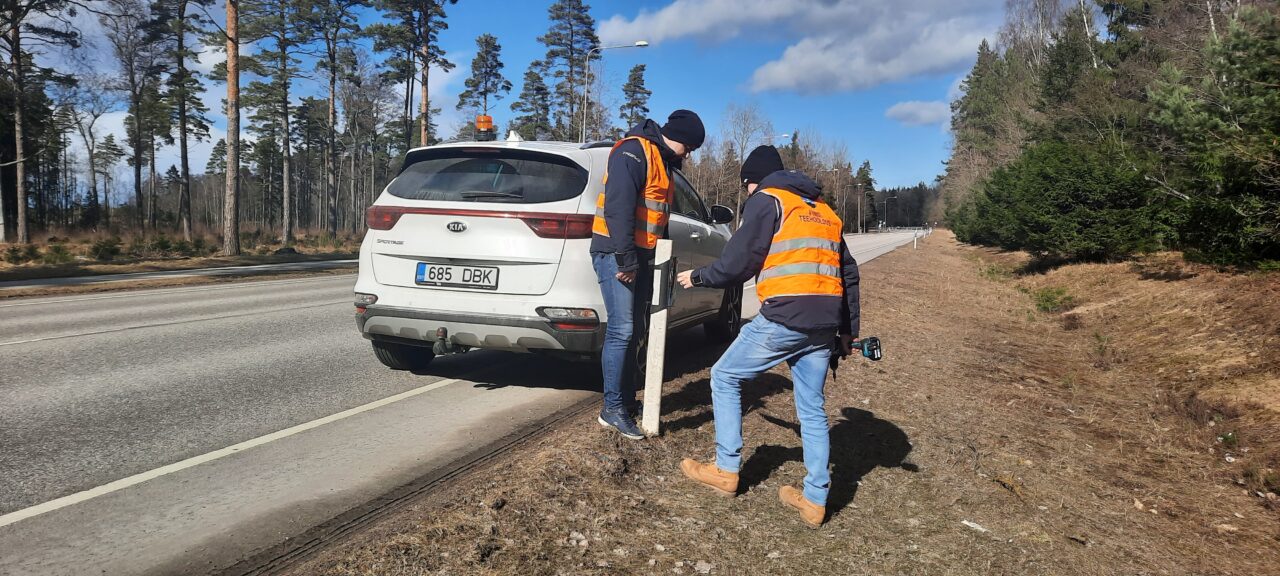
What was done – From 2021 to 2025, blue-white wildlife warning reflectors manufactured by Beilharz GmbH were installed on delineators at 50 m intervals on both sides of the road, focusing on known collision hot-spots. Over the five-year period, 82 road sections with a total length of 92.5 km were equipped with reflectors, with additional sections added each year.
Hunters recorded collision events in the EHS JAHIS information system, using a dedicated reporting form that includes location, species, date and time, and biological details.
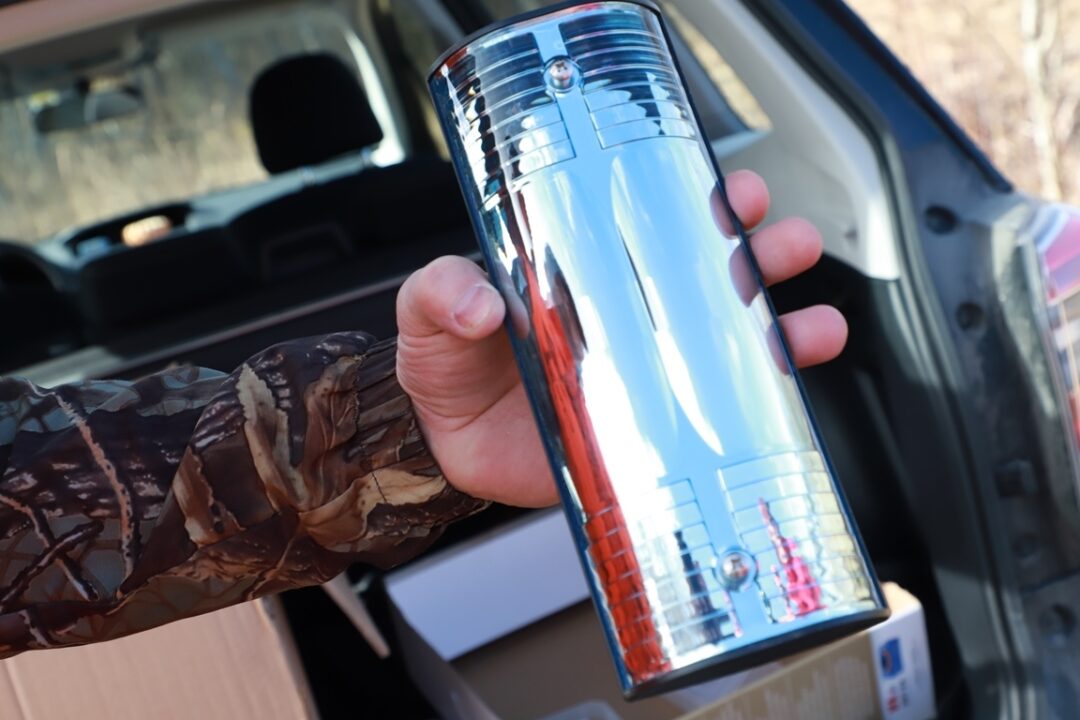
How the reflectors work – The reflector is designed to create an optical barrier when illuminated by vehicle headlights. It reflects light back parallel to the road with a 120-degree horizontal illumination angle directed away from the roadway. The technical note explains that blue or white light is significantly more visible to cervids, including moose, due to sensitivity in the 400 to 480 nm wavelength range. This supports the intended deterrent effect when vehicles approach.
Key results – The study modelled roe deer collision risk using Generalized Additive Models (GAM), assessing multiple potential predictors. The final model retained three significant variables: duration of treatment (days since reflector installation), traffic volume, and the proportion of forest in the surrounding landscape.
The central result was clear: the average roe deer vehicle collision rate decreased threefold over the five-year study period on road sections with reflectors, indicating a lasting reduction as treatment duration increased.
In total, 293 roe deer vehicle collisions were registered at the treated hot-spots, including 117 collisions recorded before reflector installation. Hunters also observed that roe deer continued to cross roads at night, but collisions became rare or absent at treated hot-spots, and animals tended to attempt crossings where reflectors were missing due to maintenance losses.
Relevance for wider road safety and conservation – The report concludes that wildlife warning reflectors are an effective mitigation measure for reducing roe deer collisions in Estonia. At the same time, it notes that reflectors cannot replace high-cost, high-performance measures on major roads, but could be implemented as an additional tool to promote road safety on second-class highways and collector roads.
This work also demonstrates the added value of hunters’ local knowledge and long-term data collection capacity in delivering evidence-based solutions, including for practical challenges that require sustained field maintenance. For example, winter road maintenance damaged delineators and reflectors, requiring replacement of more than 800 reflectors during the study period.
Project delivery
- Lead organisation: Estonian Hunters’ Society (EHS).
- Project lead and manager: Urmas Salmu.
- Scientific analysis: Ragne Erimäe, PhD and Jaanus Remm, PhD.
- Data collection: Estonian hunters via JAHIS.
Location and timeframe
- Location: Estonia, with treatment sites distributed nationally.
- Timeframe: Five-year dataset analysed from 2021 to 2025.