
This project aims to examine the complex relationship between environmental factors and the health and welfare of wild elk and goats in their natural habitats. It will address key questions related to microbiological food quality, climatic influences and vegetation health, with the overall objective of supporting evidence-based conservation and wildlife management.
The first research question focuses on how the microbiological quality of food sources affects the health and behaviour of these ungulates. We hypothesise that elk and goats consuming higher-quality food, characterised by rich microbial diversity and strong nutritional value, will show significantly better health indicators than animals relying on lower-quality sources, which may contain pathogens or provide insufficient nutrition. To assess this, the project will conduct comprehensive microbiological analyses of food samples collected from their habitats, examining both microbial composition and nutritional content. In parallel, health indicators such as body condition scores, growth rates, reproductive success and immune responses will be assessed to provide a holistic understanding of animal welfare.
The second research question examines which climatic factors have the greatest impact on the well-being of elk and goats. We hypothesise that increased temperatures and extreme weather events, including prolonged droughts and severe storms, will negatively affect their health, leading to higher stress levels and increased morbidity rates. Climatic data will be monitored and analysed alongside health indicators to identify correlations and trends. Advanced statistical modelling will be used to determine the climatic variables most strongly associated with changes in animal health and welfare.
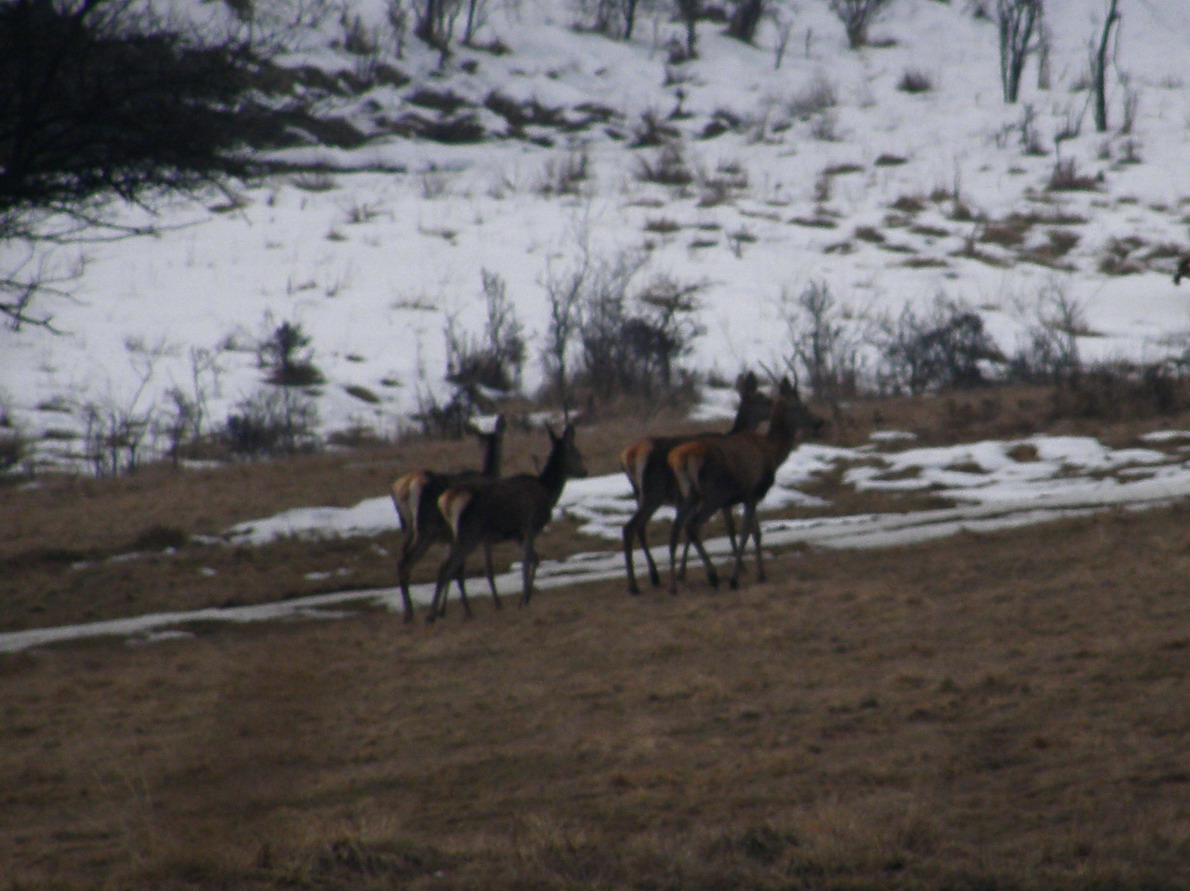
The third objective assesses the relationship between the availability and quality of vegetation and the health status of these animals. We hypothesise that improved vegetation quality, reflected in higher nutrient content, better moisture retention and greater plant diversity, will be positively correlated with better health outcomes in wild elk and goats. Botanical surveys will be carried out to assess plant quality and availability in conjunction with animal health assessments, linking nutritional quality to physiological indicators such as weight gain, reproductive health and overall vitality.
This project addresses an important aspect of wild animal welfare by generating robust, evidence-based insights into how environmental factors influence the health of wild ungulates. The findings will support conservation and management practices aimed at enhancing wildlife well-being, including habitat management strategies that prioritise food quality and adaptability to changing climatic conditions. By improving understanding of the impacts of climate change on wildlife populations, the research will also contribute to wider discussions on biodiversity conservation, ecosystem stability and the long-term sustainability of wildlife populations in a changing environment.
Overall, the project seeks not only to answer key research questions, but also to improve the welfare of wild elk and goats by strengthening knowledge of the relationships between food quality, climatic conditions and vegetation health. It aims to provide practical recommendations for wildlife managers and conservation practitioners, supporting a more sustainable coexistence between human activities and wildlife habitats.
Project location
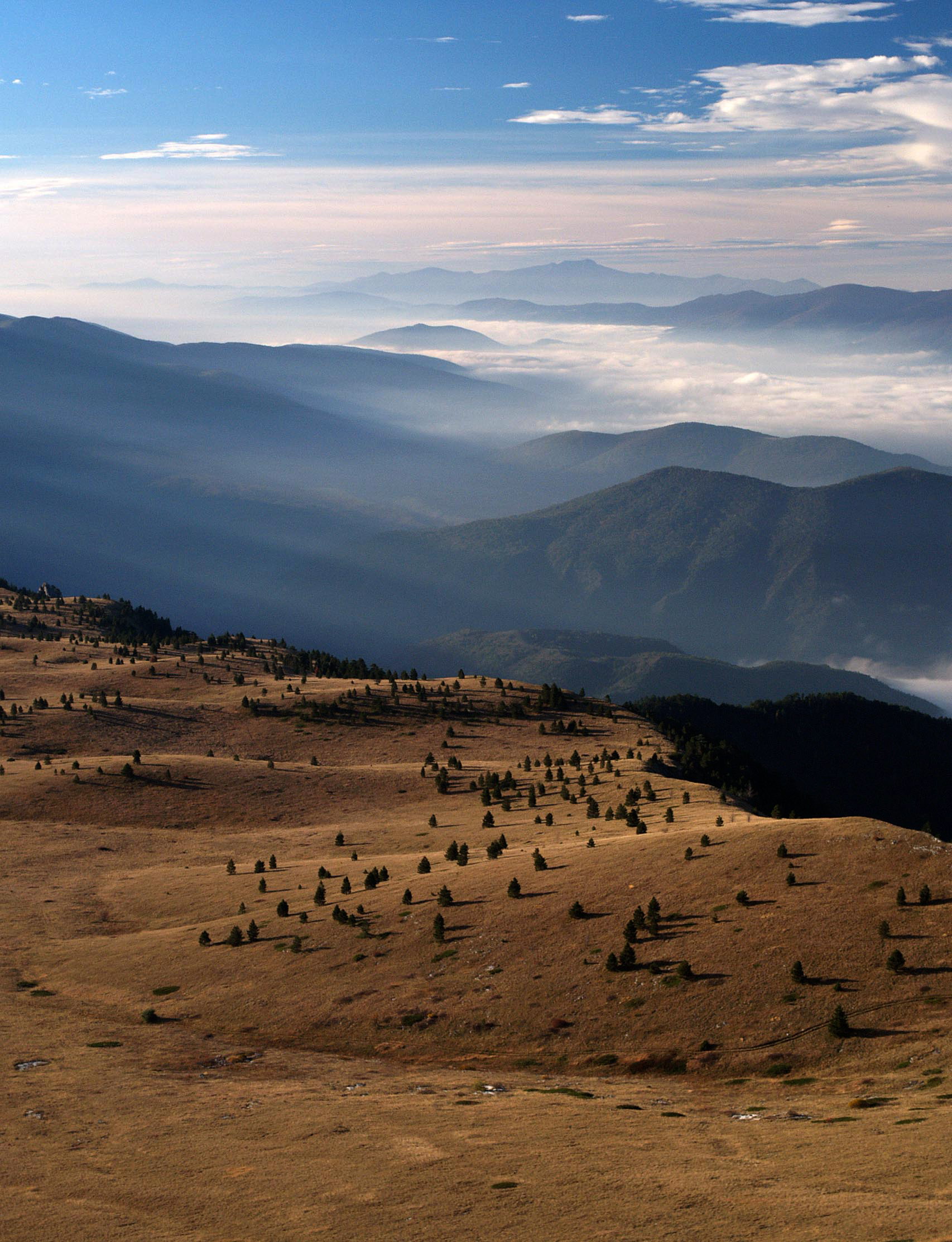
The territory of today’s Public Enterprise for Managing and Protection of the Multipurpose Area Jasen was declared a reserve between 1958 and 1960, with the aim of protecting its fauna, flora, biological, geological, natural and hydrological features.
The Public Enterprise for Managing and Protection of the Multipurpose Area Jasen (Macedonian: Јавно претпријатие за управување и заштита на повеќенаменското подрачје „Јасен“), also known as Reserve Jasen (Macedonian: Резерват „Јасен“), is a nature reserve in North Macedonia. Part of the area was declared a reserve as early as 1958, and it became a protected nature reserve in 2010. It is located only 15 km from Skopje.
The protected area covers approximately 24,000 hectares of caves, mountains, underground rivers and lakes. Its lowest point is the still uncharted Matka canyon lake, while its highest point is Mount Karadzica, at almost 2,500 metres. The area is home to the endangered Eurasian lynx and the rare Balkan chamois.
Coordinates: 41°51’56’’N, 21°16’55’’E.
Project information
- Types of actions carried out: Management of habitats and wildlife
- Habitat types concerned: Mountains
- Protection status of the areas concerned: National protected area; hunting reserve
- Type of species concerned: Huntable species; protected species
- Group of species concerned: Mammals, other than large carnivores
- Species involved: Balkan chamois (Rupicapra rupicapra balcanica); red deer (Cervus elaphus)
- Year the project started: 2026
Contact details
- Name: Ivica Panchevski
- Email: frjasen@yahoo.com
- Organisation: Public Enterprise for Managing and Protection of the Multipurpose Area “Jasen”